

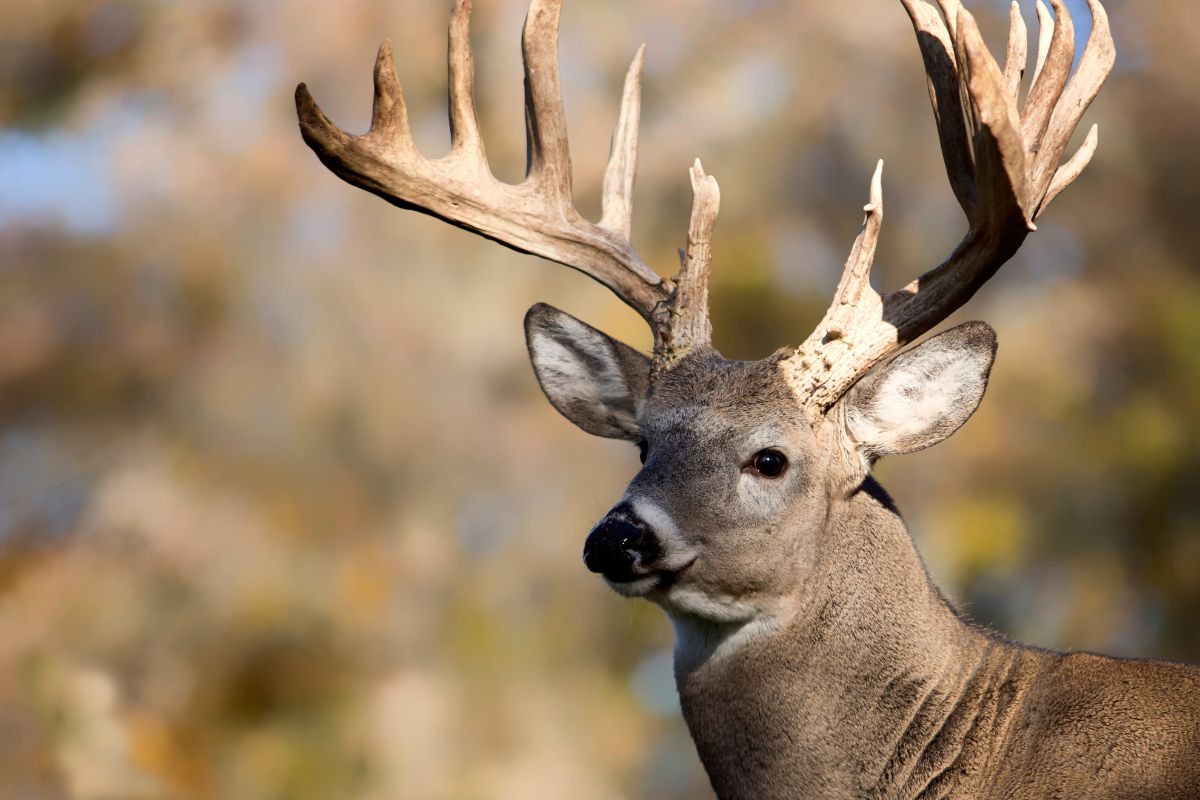
Texas hunting land has to manage screwworm deer talk while daily work continues: feeders, food plots, cameras, access roads, and hog damage.
Use TPWD, TAHC, USDA APHIS, and AgriLife for current animal-health information. Big Pig’s lane is operations: removing feral hogs where they pressure the same ground. This is trap-site planning, not veterinary treatment; clinical questions belong with your veterinarian and APHIS. For disease basics, read What Is New World Screwworm?.
Why Deer Country Is Talking About NWS
New World screwworm infests the living tissue of warm-blooded animals. It does not breed in feces. Deer, livestock, pets, and wildlife may all appear in public updates depending on what officials are seeing and reporting.
For life-cycle background, use the CDC DPDx NWS reference and current APHIS updates. Do not pass around case counts from camp talk, social posts, or last week’s rumor; time-sensitive numbers belong with the agencies.
On a hunting property, ask whether deer patterns, hog pressure, carcasses, bait residue, waste, or crew traffic are creating problems.
Hogs Are the Population You Can Remove
You cannot trap every deer on a hunting lease or managed property. You can run a whole-sounder program against feral hogs using camera evidence you already trust for deer movement.
Feral hogs share feeder lines, creek crossings, shaded cover, and food plots. They also travel hard; approved house claims put hog movement around 6 miles per day. When sounders stay thick, they keep rooting damage, wildlife conflict, and fly pressure in the picture.
Big Pig does not diagnose NWS. It builds steel trap systems for high-volume hog removal. Fewer hogs means less competition with deer and less fouling of high-use areas. See Why Feral Hogs Are the Biggest Threat to Screwworm Spread and How High-Volume Hog Removal Lowers Ranch Fly Pressure.
Hunting-Land Ops: Feeders, Plots, Corridors
Feeders and plots concentrate animals. That helps deer management and gives hogs a reason to return. If a sounder owns the calories, trap planning belongs beside the deer plan.
Work from evidence, not frustration:
- Mark hog activity: feeder cameras, rooting sign, creek crossings, wallows, and plot edges.
- Separate deer traffic from hog timing so you know when the sounder is comfortable.
- Choose trap style by sounder size and wariness.
- Condition long enough for full group entry.
- Trigger only when the sounder is in position.
- After the catch, inspect dispatched hogs for wounds or larvae, follow state or APHIS disposal guidance, then rebait or relocate from camera data.
Flies are not automatically screwworm. Most trap-site fly problems involve cleanup, bait, residue, or carcass handling. Use visual checks and official channels.
Match the Trap to the Sounder
- Drop Trap w/HogEye Camera: built for smaller or trap-shy sounders that need an open approach.
- Panel Trap w/HogEye Camera: built for larger populations and a modular footprint.
- HogEye Mini Camera: remote monitoring and trigger control; it is not a trap type.
HogEye gives live visibility and one-tap control, so the close happens when the group is ready, not when somebody drives by. During deer season, unnecessary traffic can educate hogs and deer.
Nationwide, wild pig damage carries a conservative minimum of at least $3.4 billion a year (Pest Management Science, 2025). On Texas hunting land, that means torn plots, damaged roads, wrecked feeders, stressed deer programs, and repairs instead of hunting.
Keep the Roles Straight
Agencies handle surveillance and rules. Veterinarians handle treatment decisions. Landowners handle what they can control: monitor the property, remove feral hog sounders, keep trap sites orderly, and avoid turning every fly into a diagnosis.
If hogs are pressuring the same ground as your deer, put removal on the calendar. Call the Hog Trap Hotline at 888-744-8727 or Get a Quote to talk through the site, sounder size, access, and trap choice.
Frequently Asked Questions
Is this about screwworm in deer specifically?
Yes. It focuses on landowner operations when NWS and deer are in the news.
Can trapping replace veterinary care?
No. Trapping is population control; disease decisions belong with veterinarians, APHIS, and state officials.
Why not just hunt hogs harder during deer season?
Hunting helps around the edges. Whole-sounder trapping targets the 70% per year removal problem.
Should I stop feeding deer?
Follow state rules. If hogs are taking over feed sites, remove hogs.
What trap should I use?
Use camera evidence: drop trap for smaller or trap-shy sounders; panel trap for larger pressure; pair either with HogEye.
Where do I get current Texas guidance?
Start with TPWD, TAHC, USDA APHIS, and AgriLife—not a trap blog.
Share:
What Landowners Should Know About New World Screwworm
Hog Traps for Sale in Texas: Drop and Panel Options for Landowners