

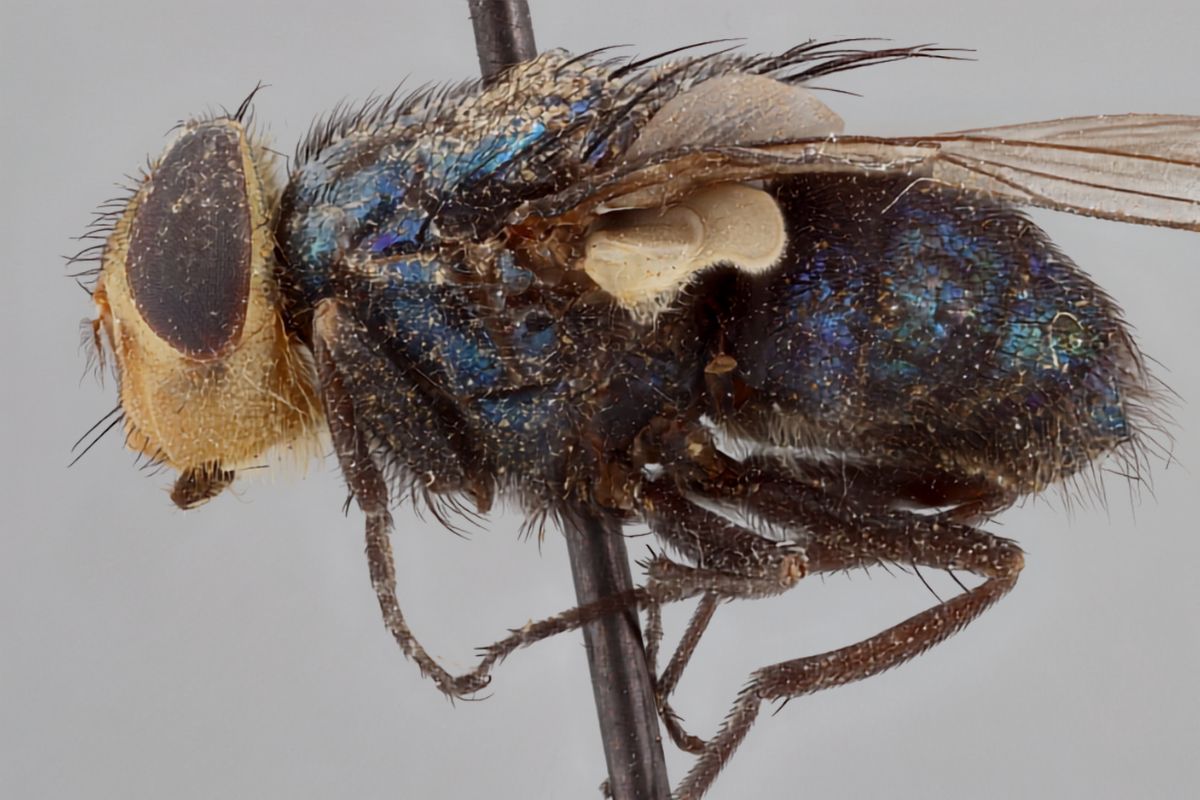
New World screwworm is back in landowner conversations across the South. For life-cycle background, read what New World screwworm is and how it spreads. On your place, the job is simpler: know what to watch, know who to call, and reduce the feral hog pressure you can actually control.
This is awareness and operations only. Diagnosis and treatment belong with your veterinarian and animal-health officials, not a trap manufacturer.
Why NWS Is on the Radar Again
Federal and state agencies are the sources that matter. Start with USDA APHIS and the CDC DPDx New World screwworm page. Texas landowners should also watch TPWD and TAHC. Case counts, boundaries, and reporting instructions can change, so verify numbers before you repeat them to neighbors or crew.
NWS news can move fast. Your property plan should not. Build a short list of trusted contacts, keep a trap program that reduces hog density, and clean trap sites after captures so you are not adding avoidable fly pressure during an already tense season.
The Fact That Changes Trap-Site Thinking
NWS infests living tissue of warm-blooded animals, not feces. The plain field rule holds: If it’s on shit, that isn’t it. Flies around spilled bait, blood, or carcass residue still matter for cleanup, but flies alone are not a screwworm diagnosis. Separate general sanitation from animal-health reporting.
After a drop, the sounder is dead. The screwworm concern at that trap site is to inspect the dispatched hogs for open wounds or visible larvae, then dispose of carcasses correctly under state or APHIS direction. If you suspect NWS on carcasses, follow official guidance; the field framing is burn or bury deep. Do not turn that into a homemade disposal protocol.
Feral Hogs Are the Pressure You Can Reduce
You cannot monitor every wildlife host the way many landowners monitor cattle. Wildlife moves, hides, and dies where people may not look. Feral hogs make that harder: they can move about 6 miles a day, attract flies, and run in sounders that keep returning to feed and water. That makes hog removal one of the practical levers on the property plan.
Big Pig steel systems are built for that work:
- Drop Trap w/HogEye Camera for smaller or trap-shy sounders
- Panel Trap w/HogEye Camera for larger hog populations
- HogEye Mini Camera as the camera and trigger layer
For the hog-vector angle, see Why Feral Hogs Are the Biggest Threat to Screwworm Spread. For deer-country operations when “screwworm deer” is trending, read Screwworm Deer on Texas Hunting Land.
A Practical Property Checklist
- Follow APHIS and state reporting channels, not social rumor.
- Watch live animals for suspicious wounds and behavior changes.
- Inspect dispatched hogs after a catch before disposal.
- Keep trap sites clean after captures and bait cycles.
- Prioritize whole-sounder removal where hog density is high.
- Use remote monitoring so empty checks do not educate the sounder.
- Document productive sites; camera notes beat memory when you relocate.
- Rebait when the site is still active, or relocate when the pressure shifts.
Nationwide wild pig costs carry a conservative minimum of at least $3.4 billion a year (Pest Management Science, 2025). Removal is not a cure for screwworm. It is one biosecurity habit that also protects crops, pasture, fences, feed, and wildlife habitat.
Call the Hog Trap Hotline at 888-744-8727 or Get a Quote. We are always ready to talk pig.
Frequently Asked Questions
Is this a replacement for the screwworm primer?
No. The primer covers definitions and spread. This covers what landowners can do on the property.
Can Big Pig diagnose screwworm?
No. Big Pig builds traps. Disease questions go to veterinarians and APHIS or state officials.
Does trapping stop screwworm by itself?
No. Trapping lowers feral hog density, which is one reservoir you can remove. It does not replace official animal-health guidance.
What should my crew know on day one?
Know who to call, what to record, how to inspect dispatched hogs, and why you do not trigger before the full sounder is inside.
What trap should I start with?
Use camera evidence. Choose drop traps for smaller or trap-shy sounders and panel traps for larger populations.
Where can I learn setup basics?
Start with Support & Tips, then call the Hog Trap Hotline at 888-744-8727.
Keep the report short when something looks wrong: date, location, animal, what was visible, and which authority received the call. Keep the trap program working, but let animal-health officials handle the disease call.
Share:
Louisiana Feral Hog Trapping: Trap Options Landowners Use
Screwworm Deer on Texas Hunting Land