

New World screwworm (NWS) is back on the radar across Texas and the Southeast, and a lot of the talk gets the basics wrong. This is a plain-language primer for landowners and operators: what screwworm is, how it actually spreads, why it is so dangerous, and where feral hogs fit into the risk. It is awareness and operations only, not veterinary guidance. For clinical facts, symptoms, and reporting, work from USDA APHIS and your state animal health officials.
What Is New World Screwworm?
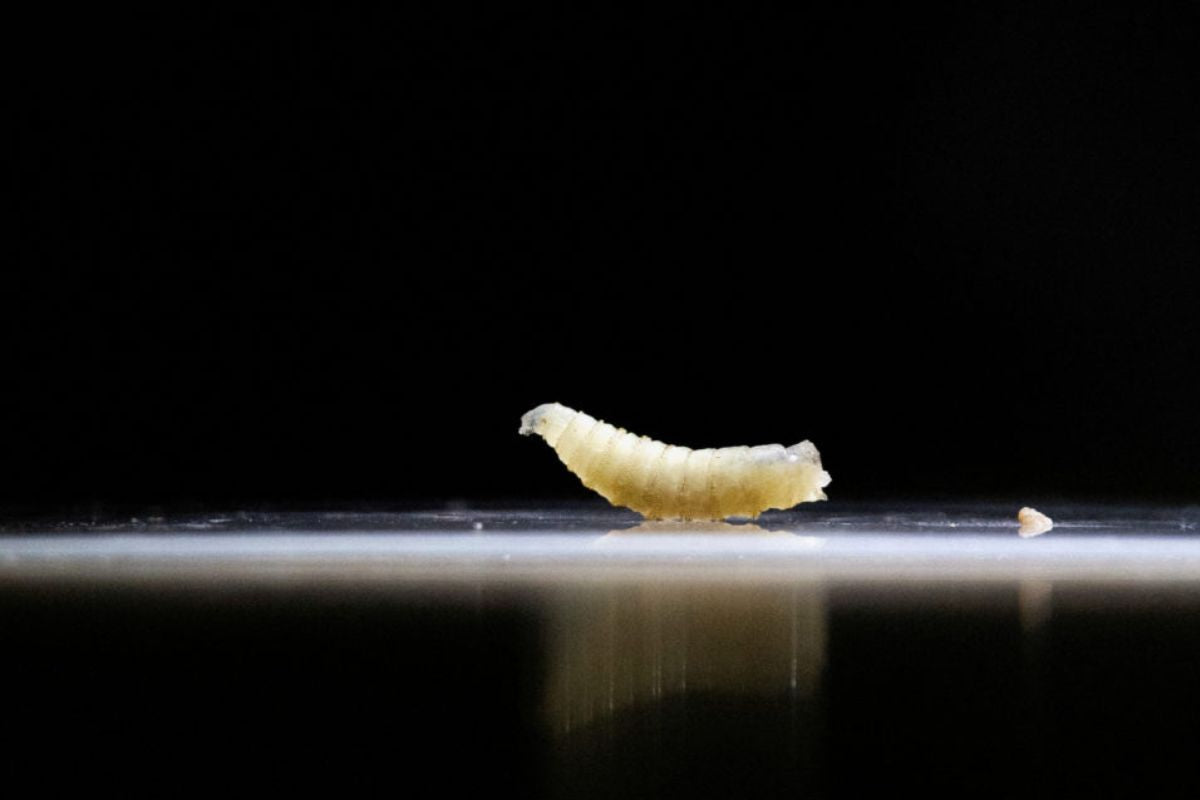
New World screwworm is a parasitic fly. The danger is not the adult fly itself but its larvae, which infest the living tissue of warm-blooded animals, livestock, wildlife, pets, and in rare cases people. A female lays eggs at the edge of a wound or other opening; the larvae burrow into living flesh, which enlarges the wound and attracts more flies. Left unmanaged in an area, it can spread animal to animal.
How Screwworm Spreads (Live Animals, Not Feces)
This is the single most important thing for landowners to understand, because it is widely misunderstood: screwworm depends on live hosts. It infests living tissue — a fresh wound, a tick bite, a navel on a newborn, recently deceased tissue — not droppings, manure, or rotting waste.
If it's on shit, that isn't it.
That blunt line from the field is worth remembering: New World screwworm only breeds on live animals (and sometimes very recently deceased ones). If something is on feces, it is not screwworm. Knowing that keeps your attention where it belongs, on live wounds in your stock and the wildlife moving across your property.
Why Screwworm Is So Dangerous
Screwworm is dangerous for three reasons. First, it attacks healthy, living animals, not just sick or dead ones, so a minor wound can become a serious infestation fast. Second, it spreads across a landscape through any warm-blooded host that moves, which is hard to control. Third, the economic stakes for cattle country are enormous; a regional outbreak threatens herds, ranch livelihoods, and the broader livestock economy. That is why early awareness and proactive landscape management matter so much.
Why Feral Hogs Make It Harder to Contain
Landowners watch their cattle closely, daily, eyes, working pens, and a clear sense of which animals are carrying a wound. Wildlife gets none of that attention, and feral hogs are the biggest wildcard of all. Hogs can move roughly 6 miles per day, they attract flies through wallows, rooting, and fighting wounds, and their numbers can double about every four to six months. A dense, mobile, unmonitored hog population is exactly the kind of moving reservoir that makes any landscape harder to keep clean. We go deeper on this in our companion post on why feral hogs are the biggest threat to screwworm spread.
What Landowners Can Do Now
You cannot treat your way out of a wildlife problem, but you can lower the risk your landscape carries:
- Stay aware. Learn the signs and reporting steps from USDA APHIS and your state extension; loop in your veterinarian for any suspected case.
- Reduce the unmonitored population. Proactive, high-volume feral hog removal is one biosecurity layer, reducing the number of mobile hosts that move fly pressure across your property.
- Put eyes on the gaps. Remote cameras let you monitor the wildlife you cannot watch the way you watch cattle.
This matters most in Texas, where the hog problem is largest, and across Mississippi, Louisiana, Oklahoma, and Alabama. Big Pig builds heavy-duty steel drop and panel trap systems for whole-sounder removal, paired with the HogEye Camera System for remote monitoring. To build hog removal into your biosecurity plan, start on Get a Quote or call the Hog Trap Hotline at 888-744-8727.
Frequently Asked Questions
What is New World screwworm in simple terms?
It is a parasitic fly whose larvae infest the living tissue of warm-blooded animals, enlarging wounds and spreading from host to host if unmanaged.
Does screwworm breed on feces or manure?
No. It only breeds on live animals (and sometimes very recently deceased ones). As the saying goes, “if it's on shit, that isn't it.”
Why is screwworm so dangerous to ranches?
It attacks healthy living animals, spreads across a landscape through any moving host, and poses major economic risk to cattle country.
How do feral hogs factor into screwworm risk?
Hogs are mobile (about 6 miles/day), attract flies, and reproduce fast — an unmonitored reservoir that makes a landscape harder to keep clean.
Is trapping hogs a treatment for screwworm?
No. Trapping is not a cure. Reducing the unmonitored hog population is one biosecurity layer; clinical questions go to your veterinarian and USDA APHIS.
Share:
Why Feral Hogs Are the Biggest Threat to Screwworm Spread