

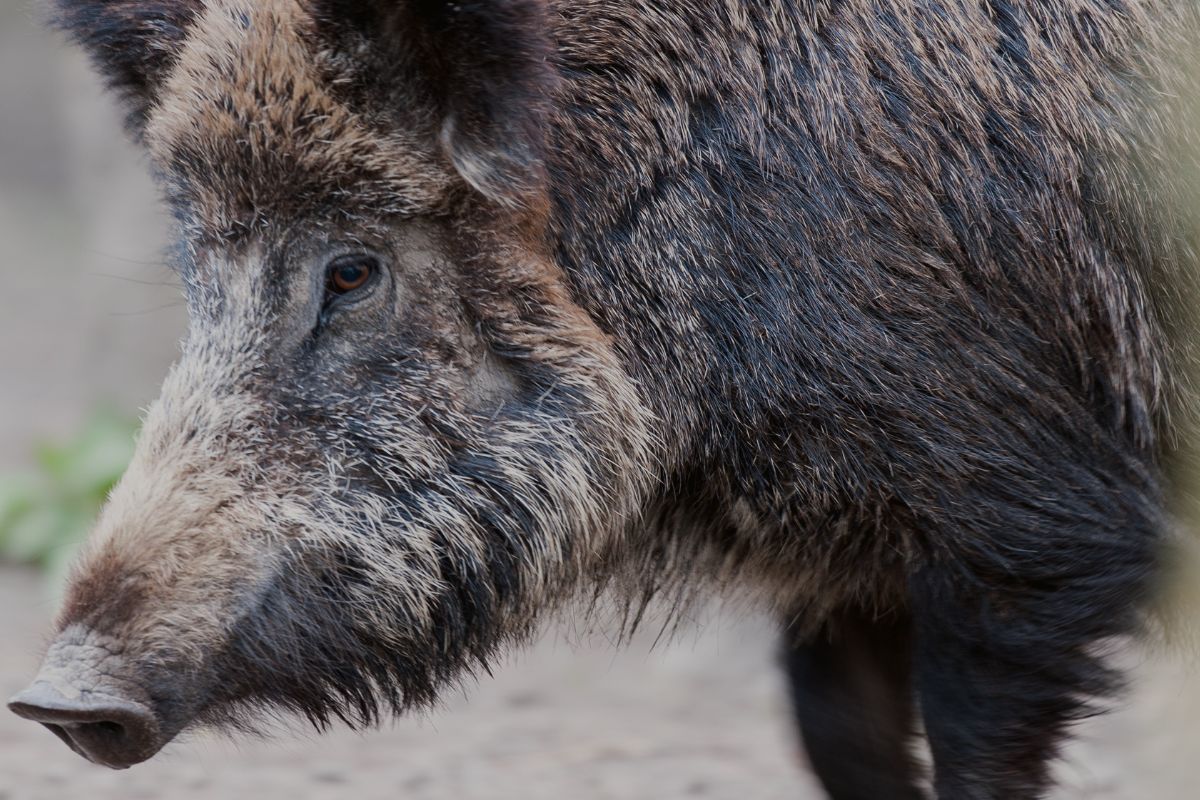
If you want to understand where New World screwworm (NWS) risk really lives on a ranch, stop looking at the cattle you check every day and start looking at the animals you can't see. Across Texas and the Southeast, feral hogs are the biggest threat to screwworm spread. Not because they cause the disease, but because they are a moving, fly-attracting, unmonitored reservoir that makes a landscape hard to keep clean. This is awareness and operations only, not veterinary guidance; for clinical and reporting information, work from USDA APHIS and your state animal health officials.
Feral Hogs: A Moving, Unmonitored Reservoir
New World screwworm depends on live hosts, infesting the living tissue of warm-blooded animals, not feces or manure. Feral hogs are warm-blooded hosts that you do not manage the way you manage a herd: nocturnal, evasive, trap shy, and constantly on the move. That combination is exactly what turns a local problem into a landscape-scale one.
Why Hogs Raise Screwworm Spread Risk
Three traits make feral hogs the highest-risk piece of the puzzle:
- They cover ground. Hogs can move roughly 6 miles per day, carrying wounds, parasites, and fly pressure across fence lines and between properties.
- They attract flies. Wallows, rooting damage, fighting wounds, and farrowing all concentrate fly activity wherever a sounder settles.
- They multiply fast. Populations can double about every four months, so the reservoir grows quickly if you don't stay ahead of it.
The Wildlife Monitoring Gap
Landowners watch cattle closely, daily, eyes, working pens, and a clear sense of which animal is carrying a wound. Wildlife gets none of that. The very animals most likely to move risk across your property are the ones you see least. Closing that gap isn't about treating wildlife; it's about shrinking the unmonitored population and putting eyes where hogs concentrate.
Whole-Sounder Removal as a Biosecurity Layer
The most effective hog control removes the whole sounder, the entire family group, in one capture, rather than picking off a few animals and teaching the rest to avoid traps. Whole-sounder removal lowers the density and movement that drive fly pressure, at a scale that actually matters on a working ranch. It is one layer of a broader plan that includes the cattle-health practices your veterinarian and USDA APHIS recommend, not a cure for screwworm.
How Big Pig Traps Fit a Ranch Biosecurity Plan
Big Pig builds heavy-duty steel drop and panel trap systems designed for whole-sounder capture, almost always paired with the HogEye Camera System for remote monitoring and one-tap triggering. For a ranch trying to lower hog density and keep eyes on the wildlife it can't watch like cattle, that pairing does both jobs at once. This matters most in Texas, and across Mississippi, Louisiana, Oklahoma, and Alabama.
Start with the Big Pig Drop Trap for smaller or trap-shy sounders, size a larger setup on Get a Quote, or call the Hog Trap Hotline at 888-744-8727 — we're always ready to talk pig.
Frequently Asked Questions
Do feral hogs cause screwworm?
No. Hogs don't cause it, but as a mobile, fly-attracting, unmonitored population, they raise the risk of spread across a landscape.
How far do feral hogs travel?
Roughly 6 miles per day, which is why they move fly pressure and risk across property lines.
Why focus on the whole sounder?
Removing the entire family group in one capture lowers density faster and avoids training survivors to be trap shy.
Does screwworm breed on hog droppings?
No. NWS infests living tissue of warm-blooded animals, not feces. If it's on droppings, it isn't screwworm.
Is trapping a treatment for screwworm?
No. It's one biosecurity layer that reduces the unmonitored host population. Clinical questions go to your veterinarian and USDA APHIS.
Share:
What Is New World Screwworm? How It Spreads and Why It's Dangerous
Remote Hog Trap Setup: Drop Gate + HogEye Cellular Bundle